Blending is one of the most important processes in the crafting of a champagne. At CHAMPAGNE DE SAINT-GALL, it is carried out each year by our cellar master, Cédric Jacopin, and his winemaking team: it is the complex art of subtly combining different grape varieties, terroirs and harvests.
Explore the complexity and importance of blending through our iconic Le Tradition Premier Cru.
Blending: a complex art
With its different soils, subsoils, exposures, growing practices, grape varieties and weather, the Champagne terroir is one of the most complex in the world. The diversity of the champagne wines is derived from this complexity.
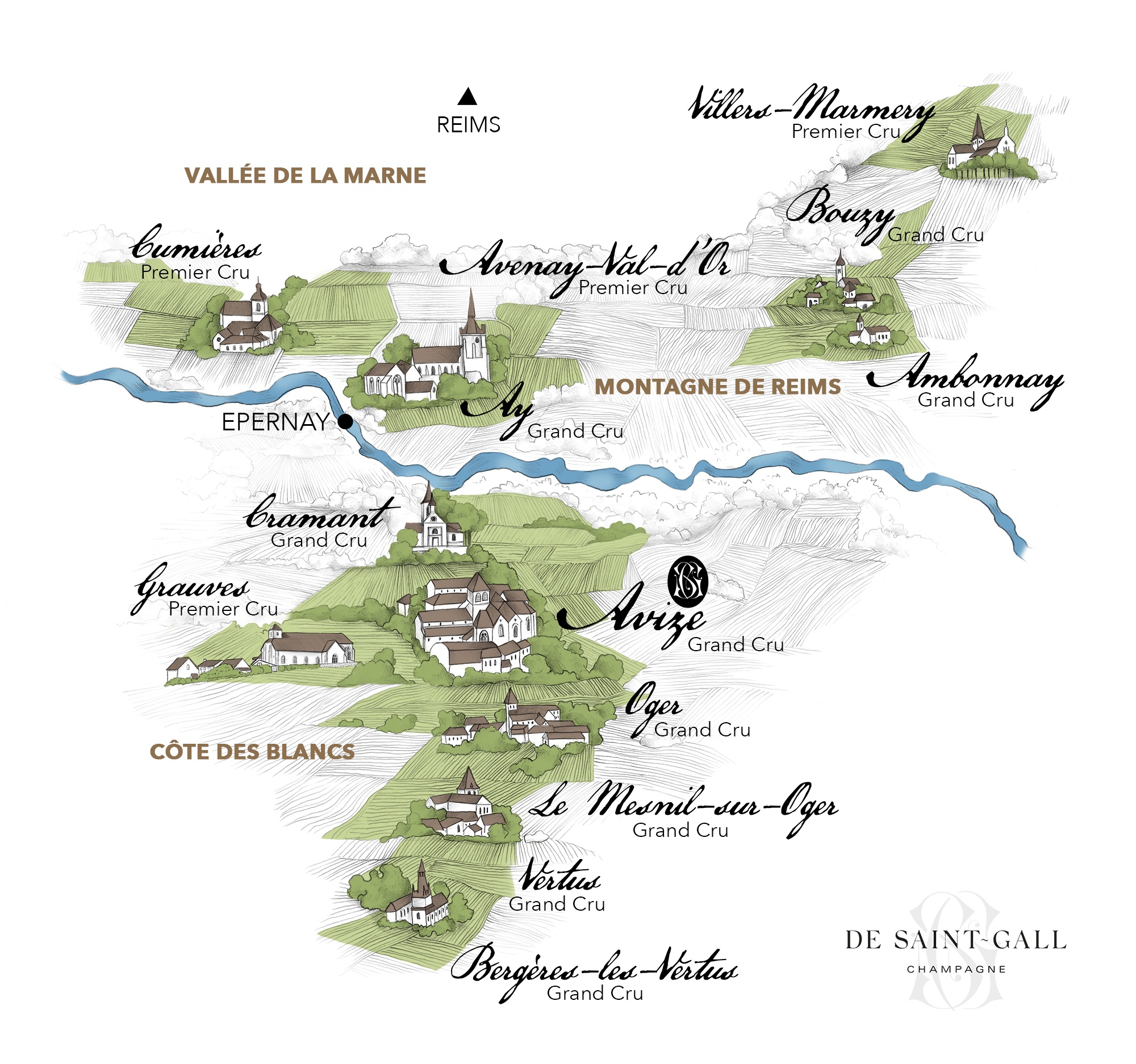
Four winegrowing areas in the Champagne region have a part to play in the blend. These are the Montagne de Reims, the Vallée de la Marne, the Côte des Blancs and the Sézannais, and lastly the Côte des Bar and Montgueux. These wine-producing areas do not grow the same grape varieties and they express themselves in different ways. Within these areas, the champagne growers have established the concept of “cru”. The 294 or so crus in the Champagne region are classified into three categories: 17 villages are Grand Crus, 44 villages are Premier Crus, and 237 villages are unclassified. Historically located in the Côte des Blancs, CHAMPAGNE DE SAINT-GALL uses a large majority of grapes from villages classified as Premier and Grand Crus, which have excellent ageing potential.
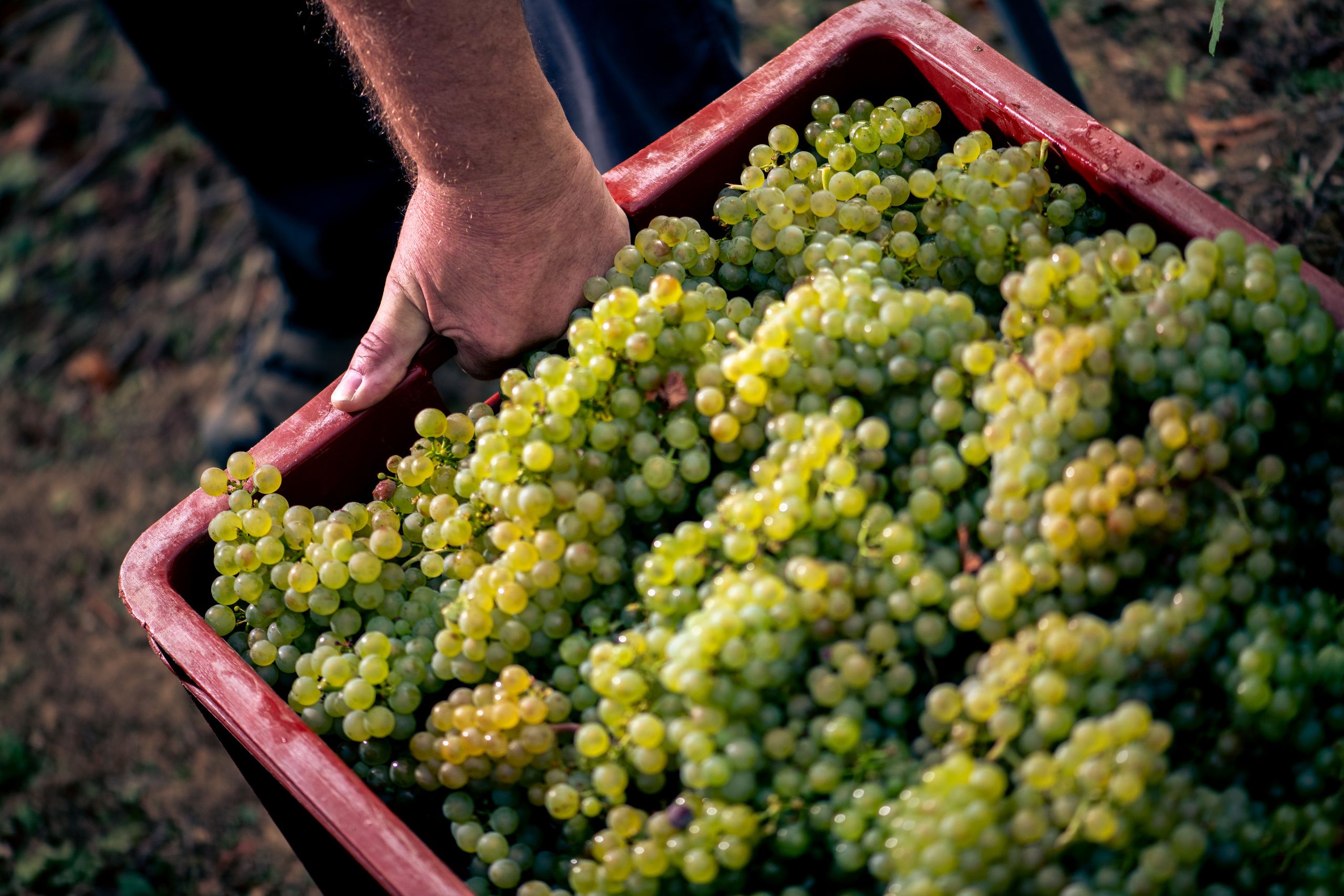
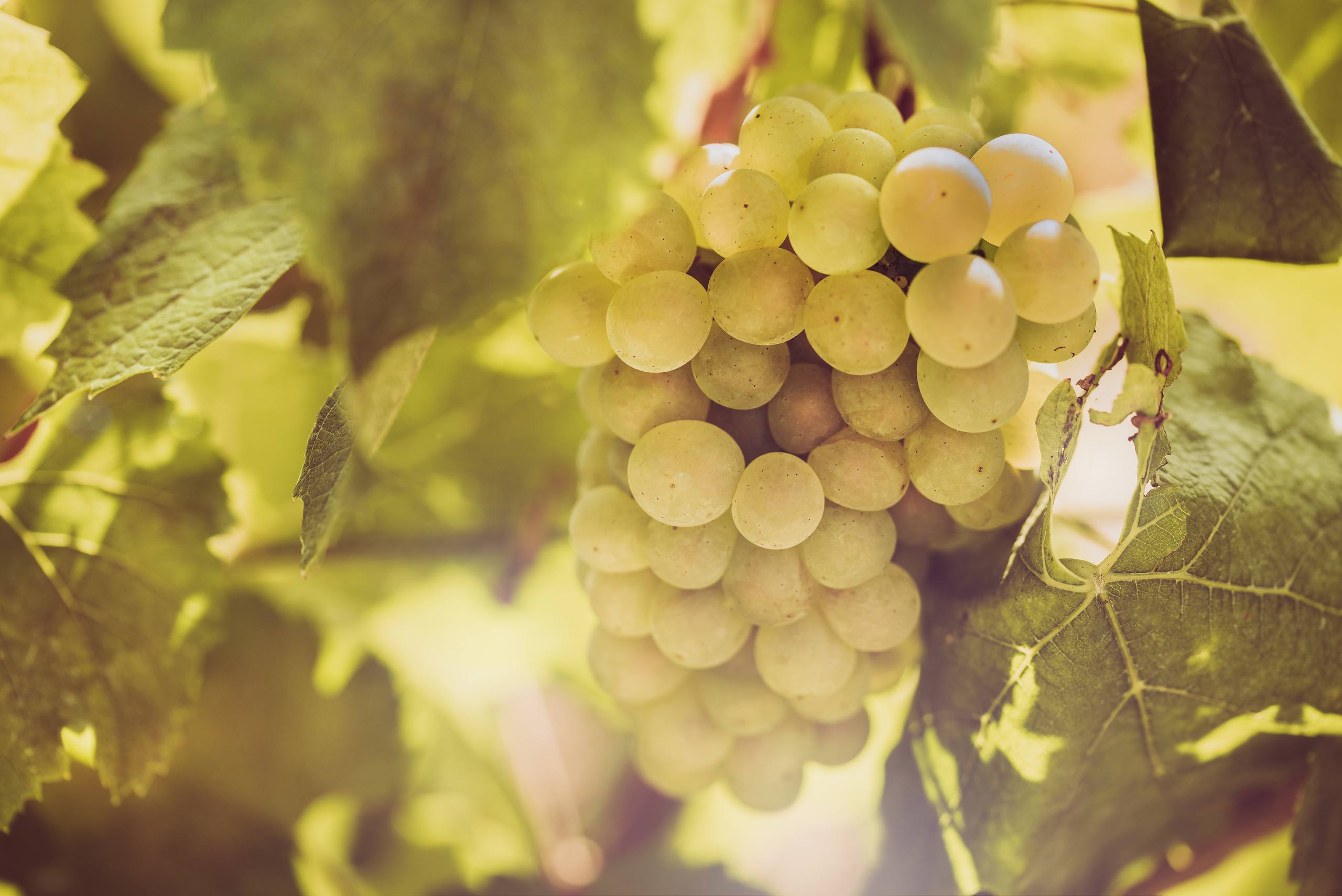
The grape varieties also have a major influence on the blends. There are three main grape varieties in the Champagne region: Pinot Noir, Pinot Meunier and Chardonnay. Each varietal has its particular characteristics. Most of the wines of Champagne are composed of a marriage of these 3 varietals. Other grape varieties are authorised within the AOC specifications, even if their use is rarer. Arbanne, Petit Meslier, Pinot Blanc, Pinot Gris (also known as Fromenteau) add to the range of potential options offered by the grape varieties in the blending process.
Lastly, the climate or weather will lend the Champagne grapes their distinctive character. But this can differ greatly from one year to the next, resulting in harvests that are variable in terms of quality and quantity. The best years will result in vintage champagnes, but most of the wines produced are a blend of a base year and reserve wines. The base year makes up the majority of the blend. The addition of reserve wines allows the style of a particular champagne or Champagne House to be preserved from one year to the next.
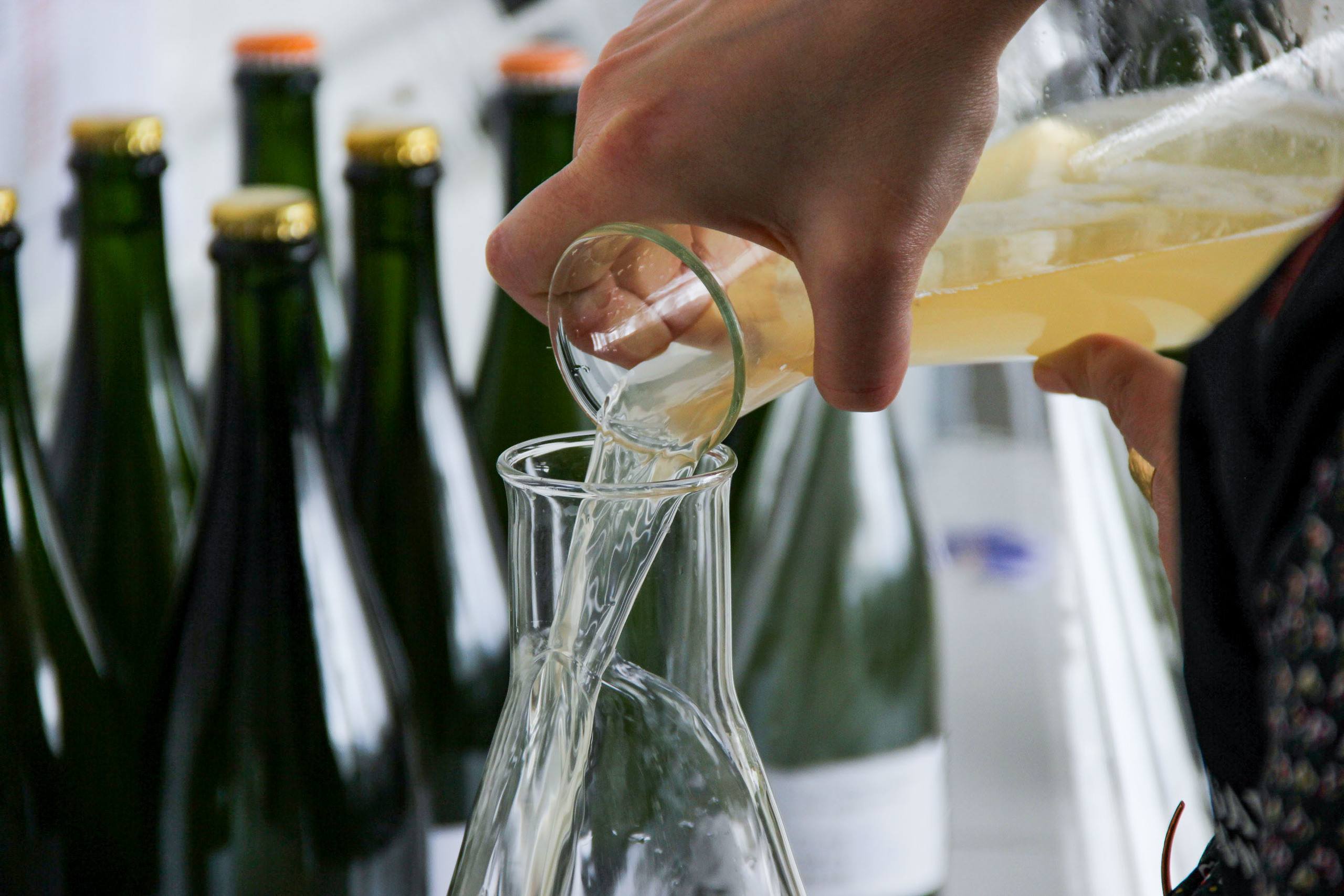
These components have turned the blending process into a savoir-faire that has been associated with the Champagne region for generations.
Our Le Tradition Premier Cru champagne is the perfect illustration of the art of blending. In fact, the grapes used to create this exceptional champagne come from our 12 villages classified as Grand Cru and Premier Cru lying in the Vallée de la Marne, the Montagne de Reims and the Côte de Blancs. Its blend, comprised of 70% Chardonnay and 30% Pinot Noir with a base year of 2013 and 42% reserve wines, lends this champagne a lovely, slightly vinous expression.
Blending: the mission of the cellar master and his winemaking team
The cellar master and his winemaking team are in charge of the blending work. Armed with scientific rigour and incredible patience, they have to find the perfect marriage from among a vast array of different wines. This involves working the wines from different grape varieties, different vintages and different terroirs. Above all, their mission is to recreate a champagne’s style or signature, reflecting the image of the Champagne House.